

Used Battery Disposal
Commercial battery collection and recycling service
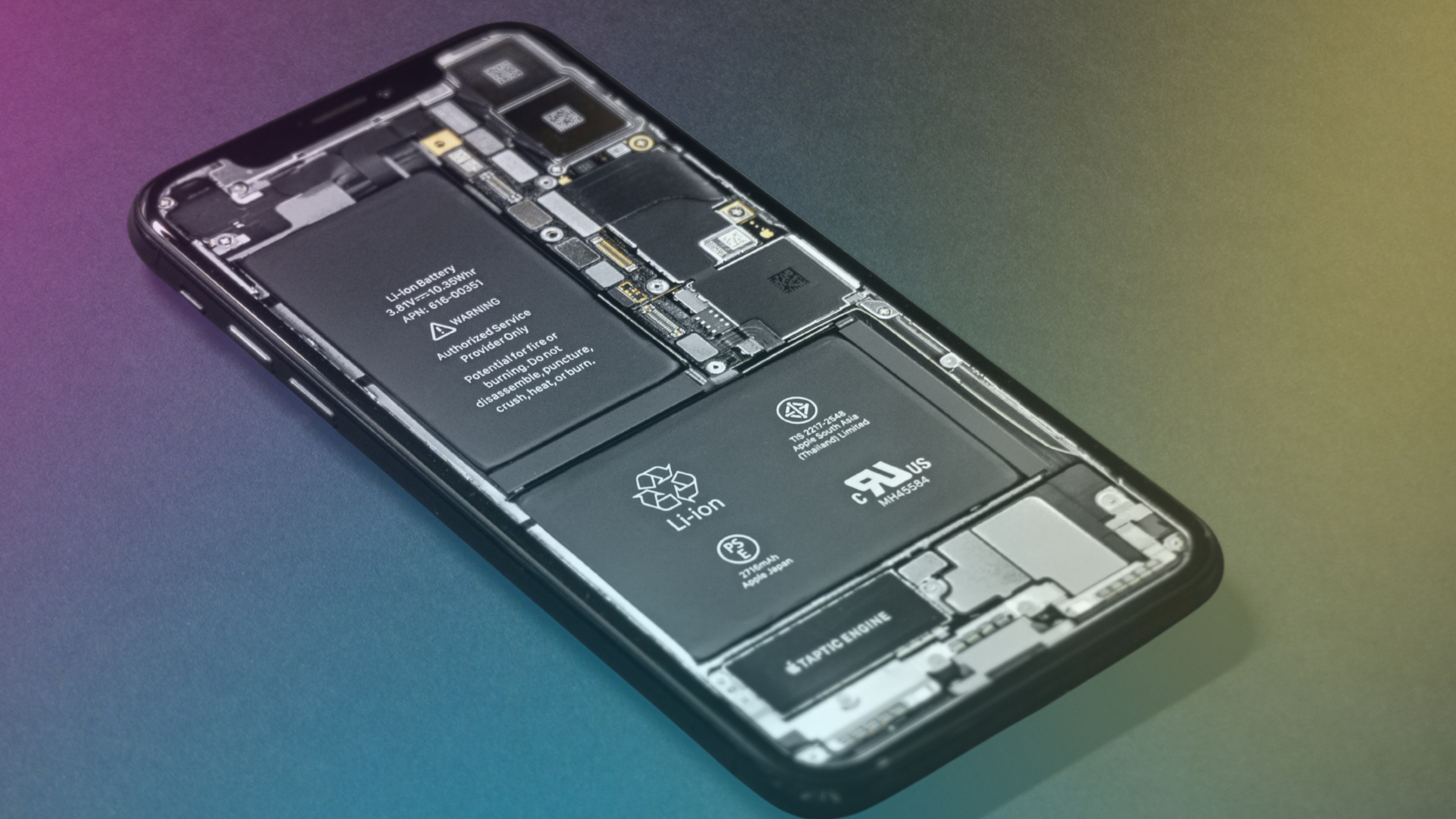
Legally compliant commercial battery collection service
Commercial battery disposal involves following specific guidelines and regulations to ensure the safe and environmentally responsible disposal of batteries used in various commercial applications.
S2S Group segregates batteries by type for disposal. We cover the disposal of lead-acid batteries, nickel-cadmium and nickel-metal hydride, all found within various industries.
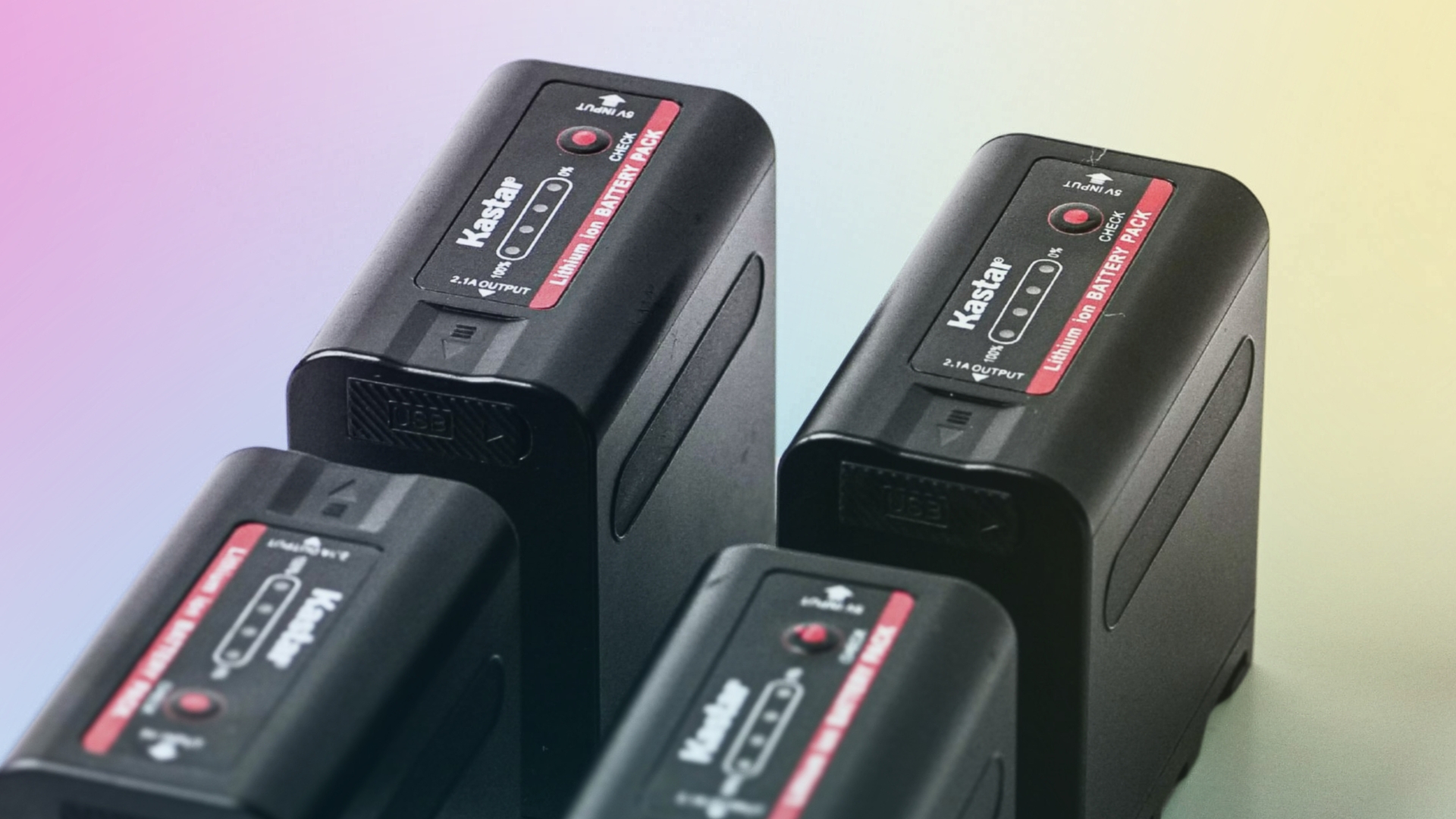
Do you have any of these batteries?
S2S Group can collect & take the following battery types for legally compliant processing:
Having a commercial battery recycling plan in place is necessary if you have any of these types of batteries.

Legally compliant processing
We collect batteries from your premises, offering peace of mind through our used battery recycling solutions.

Specialist recycling for different battery types
We use specialist equipment and processes to correctly recycle used batteries.
Lead-Acid Batteries
Lead-acid batteries or sealed lead-acid (SLA) batteries are used frequently in an uninterruptible power supply system. Where the weight of the unit isn’t an issue, lead-acid batteries can provide a reliable, economical choice. There are two different types of lead-acid batteries
Valve Regulated (VRLA)
These sealed lead-acid batteries are the more commonly used variant in UPS systems. Side vents release gas if the internal battery pressure becomes too great.
Open Vented (VLA)
These batteries are also referred to as flooded batteries. Requiring great maintenance levels, these batteries are unsuited for use in offices or data centres due to the open venting, and hydrogen escapes directly into the environment.
Ni-Cd (Nickel-Cadmium) Batteries
Nickel-cadmium batteries have been a popular choice for telecomms applications. Offering the advantages of 20-year design life and a wider ambient temperature range. However, these batteries tend to be more expensive than lead-acid battery options.
Nickel and cadmium are toxic materials and therefore need specialist recycling. There are restrictions on the use of these batteries with exceptions for certain applications including emergency, alarm, medical, and cordless power tools.
Ni-MH (Nickel-Metal Hydride) Batteries
Similar to NiCd batteries, nickel-metal hydride rechargeable batteries are a newer option. Less toxic and more cost-effective than traditional NiCd batteries. Typically used as a substitute for similar non-rechargeable alkaline batteries, Ni-MH batteries offer similar performance and are less prone to leaks.
Alkaline Batteries
A non-rechargeable battery option, alkaline batteries account for 60% of batteries in the UK. In Europe, battery disposal is controlled by the WEEE Directive and Battery Directive regulations, and as such, alkaline batteries cannot be disposed of with regular waste disposal.
In the EU, most stores that sell batteries are required by law to accept old batteries for recycling. In May 2009, the UK Waste Batteries and Accumulators regulations were introduced to help reduce the number of batteries that end up in landfill. This legislation requires battery producers to finance the collection, treatment, and recycling of this type of waste.
News, Insights & Resources
Do you have a requirement for IT asset management or IT recycling? Get in touch today.
For more information about how S2S Group use this data, please see the Privacy Policy