
Beyond Disposal: How will the ITAD industry evolve in 2026?
By Grant Barton, December 2025
Grant is the Chief Executive Officer at S2S Group, with over 25 years of experience in IT recycling. His aim is to provide environmentally sustainable and secure customer solutions for clients across multiple sectors.
For the last 20 years, many businesses have considered IT Asset Disposal (ITAD) as a one-off service that isn’t a necessity. However, the changing regulatory landscape is making it more of a strategic, ongoing business priority.
As of August 2025, online retailers [RP1] are now responsible for their waste electrical and electronic equipment (WEEE) – meaning there will be implications for businesses that don’t take it seriously. Through engaging in ITAD services, businesses in all sectors can make sure that sustainability, security and compliance are at the top of their agenda at all times.
In this blog, I’ll share some of my predictions for how the ITAD industry will change this year – with a demand for higher standards, greater transparency and more integration with business operations expected – and what this could mean for businesses.
A strong focus on secure data destruction
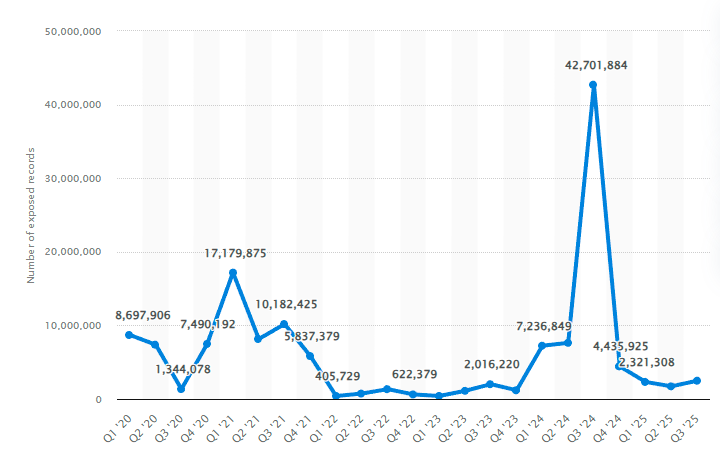
In 2026, secure ITAD will become a critical step in organisational cybersecurity. This last year, the UK experienced a series of data breaches across retail, public and healthcare sectors, with around 6.5m data records exposed as a results from Q1-Q3 2025. Because of this, organisations will expect their ITAD partners to be compliant with recognised standards such as ISO 27001 and UK data protection laws, to avoid any risk of data breaches.
Secure data erasure and destruction will need to be proven through clear audit trails and verified processes. From my experience in working with risk averse [RP1] clients, asset tracking and accountability from collection through to final disposal will become the bare minimum expectation, rather than a premium feature.
At S2S Group, we have always offered Trakk-IT to all our clients. This is a bespoke, accredited, real-time tracking service which offers clients complete visibility of the entire ITAD process, ensuring all assets are monitored until the project is finalised – giving clients peace of mind.
Involvement in ITAD from wider stakeholders
Alongside security, governance and reporting will play a much more central role in ITAD partnerships. In 2026, we believe businesses will expect detailed, asset-level reports that support not only IT and security teams, but also finance, risk, compliance and ESG stakeholders.
Reporting and certification will be essential for audits and internal governance. ITAD providers such as S2S Group will be judged not just on their operations, but on their ability to integrate seamlessly into wider compliance teams and prove their alignment with industry regulations. At S2S Group, we ensure that all certification is provided within an efficient timeframe, so that compliance teams we work alongside can finalise the ITAD project and update their ESG reports.
The rising importance of sustainability in ITAD
Sustainability and value recovery are also defining factors in the future of the industry. While responsible recycling will remain important, organisations are becoming more focused on extending the lives of their assets through reuse, refurbishment and resale wherever possible, which aligns perfectly with our reuse before recycle model.
In 2026, we believe ITAD will be seen as a key contributor to circular economy objectives, helping organisations reduce their environmental impact while recovering financial value from redundant equipment. The rising importance of ESG goals over the last 20 years means[RP1] organisations will look for ITAD providers which offer measurable solutions that demonstrate reduced waste, lower carbon impact and responsible resource management.
The increase in value of asset lifecycle management to smaller organisations
We anticipate a clear shift away from one-size-fits-all ITAD services in 2026 to more bespoke and tailored services. As organisations of all sizes start to take asset lifecycle management more seriously, they are recognising that not all devices, data or environments carry the same level of risk or value.
We expect to see even more tailored and tiered ITAD solutions, allowing organisations to choose a service level which reflects their business priorities, regulatory requirements and IT asset profiles. This approach reflects a broader understanding that effective ITAD must be flexible and scalable, which is why S2S Group offer a Dial Rating service, so businesses can determine which ITAD solution they require. We also have a world-class account management team that offers a bespoke, consultative approach from quote to final certification.
It is essential that not only large, but also smaller organisations recognise the importance of secure, sustainable ITAD solutions, as all efforts contribute to the circular economy.
Looking ahead to 2026
The ITAD industry is set to evolve into a strategic partner rather than a reactive service. Upon reflection of the last 20 years, organisations of all sizes will demand higher standards, clearer evidence and stronger alignment with their security, sustainability and governance objectives. ITAD providers like S2S Group, who lead with transparency, robust processes and measurable outcomes, will not only meet these expectations but help their clients turn end-of-life technology into a genuine business advantage.